

Cellulite is a disease
Cellulite is not a disease
Cellulite occurs because you take the pill
Everyone has cellulite
…We could go on and on with endless opinions about cellulite.
This article explains what you need to know about cellulite and gives women the tools to navigate a world filled with catchy slogans and urban legends.
By the end of the article we guarantee you will know:
- Understanding if you have cellulite;
- Recognize stasis edema;
- Prevent or cure your cellulite.
At the level of the hypodermis (from the Greek = under the dermis) there is a perfectly organised system, the adipose tissue , characterised by cells rich in triglycerides, the adipose cells or adipocytes.
It is organized into a structure made of collagen walls, called lobules, within which are the adipocytes. It covers almost the entire body.
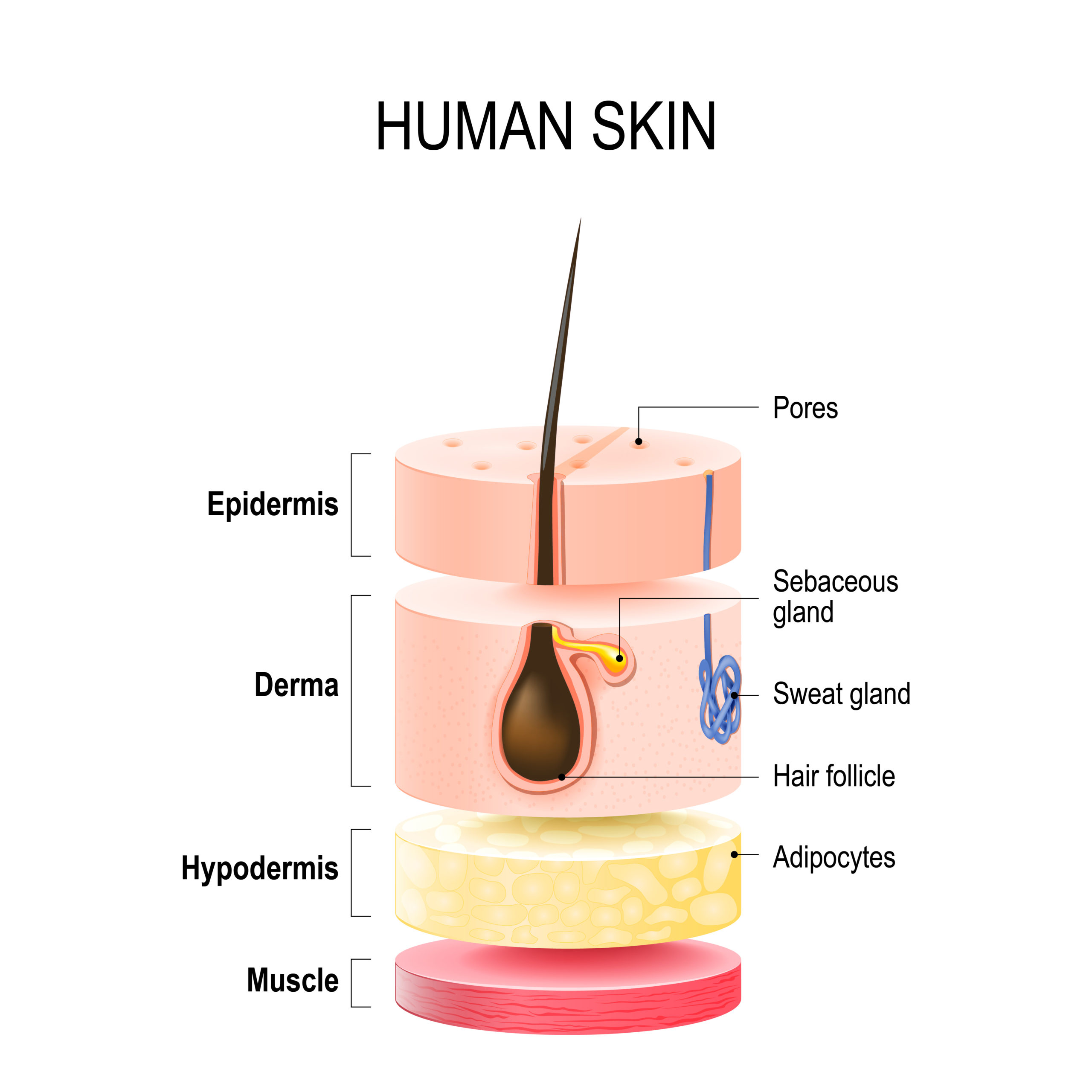
Layers of the skin: epidermis, dermis and hypodermisIn fact, 50% of fat is located in the
subcutaneous tissue , 45% in the
abdominal cavity , and 5% in
muscle tissue . Its function is to warm us, protect us from trauma, and, unfortunately, to form unsightly rolls.

Structure of the adipocyte with mitochondria, nucleus and triglycerides
The fundamental unit of adipose tissue is the adipocyte .
Under a light microscope, a fat cell appears very large, spherical in shape, containing a large lipid droplet that occupies up to 90% of the cell volume.
Adipocytes have the ability to convert sugars into fats and produce hormones such as leptin, which regulates satiety.
Furthermore, adipocytes are closely connected to the vascular network. Adipose tissue is a well-vascularized part of the body, rich in increasingly smaller arterial branches that deliver oxygen and nutrients to all adipocytes. This exchange system is regulated by complex physical laws involving processes such as osmosis, and therefore, a higher or lower concentration of certain substances or varying pH levels of fluids can disrupt the entire mechanism, causing edema.
Adipocytes are like neurons: they are cells that do not duplicate.
This means they can increase in number (hyperplasia – an irreversible process) or in volume (hypertrophy – a reversible process).
They increase in number only at certain times of life:
- during pregnancy
- in the growth phase
- and in fattening
In all other cases, the hypertrophy phenomena persist.
What does this mean?
Even with extreme weight loss, fat cells don't decrease in number, but ONLY in volume.
For example, someone who lost weight after an obese or overweight adolescence has many empty "fat tanks" and is therefore predisposed to gaining weight again.
The number of adipocytes has a genetic correlation, but this is only relative. The influence of epigenetics—that is, the individual's dietary, social, and environmental conditions—is far more important. This means that if you're genetically "disadvantaged," you have an 80% chance of reversing your weight, although it will be more difficult than if you're genetically "advantaged."
These unique characteristics of adipocytes are responsible for the phenomenon whereby the same anti-cellulite treatment has a significant effect on some, while on others it has virtually no effect.
Since everyone reacts differently, treatments should be chosen after a thorough consultation between the patient and a specially trained practitioner.
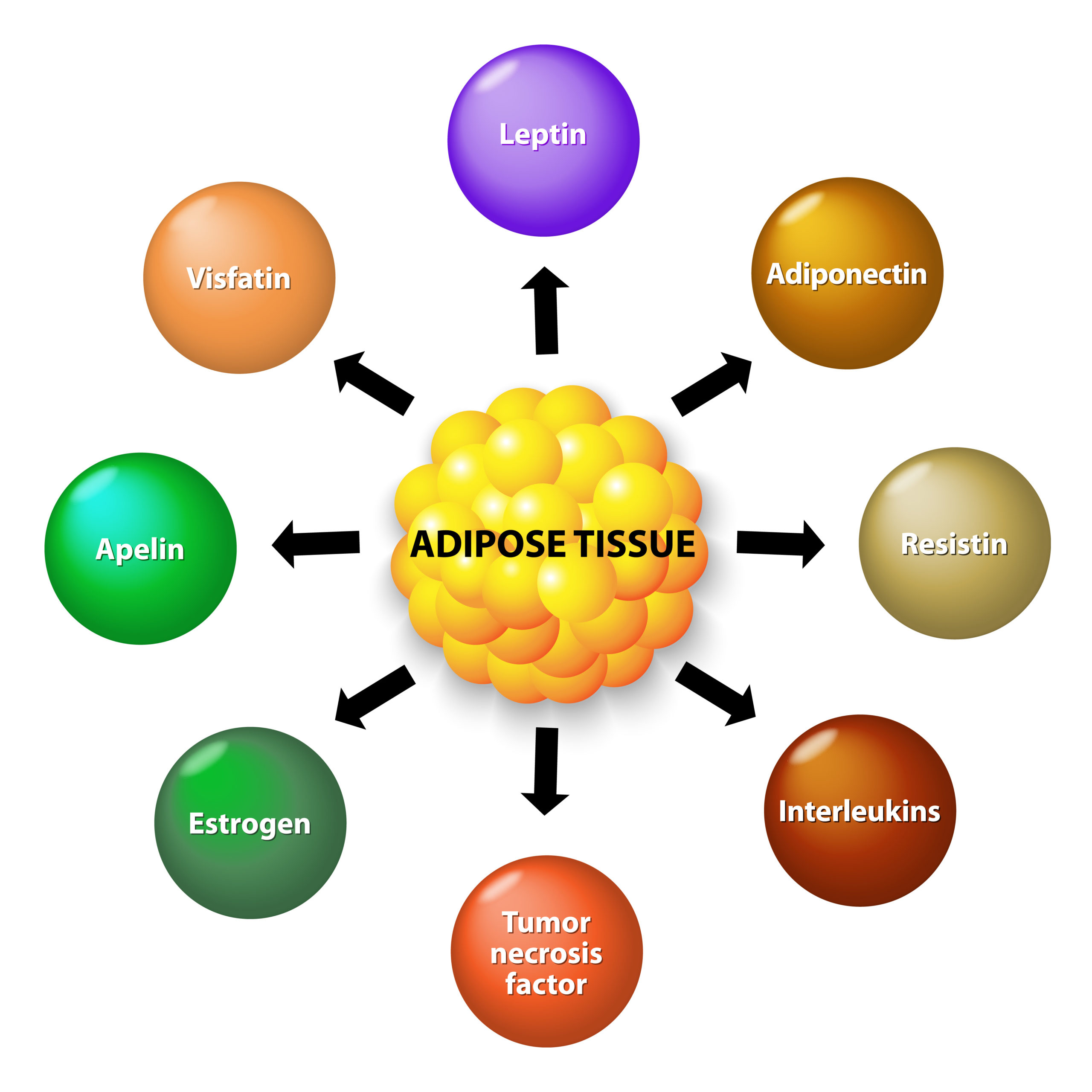
Adipose tissue, an endocrine organ that produces numerous hormones
So what is cellulite?
It is an inflammatory degeneration of the subcutaneous adipose tissue.
It's no coincidence that recent studies highlight that hypertrophic adipocytes attract immune system cells (inflammatory cells). Furthermore, according to these recent studies, hypertrophic adipose tissue triggers insulin resistance.
Clinically, cellulite manifests itself with a spongy, dimpled appearance on the surface of the skin, known as orange peel, and with bumps that give the skin a so-called "mattress" appearance.
There are different types of cellulite: localized adiposity and PEFS.
These manifestations differ in their clinical presentation, etiopathogenesis, and evolution.
We speak of LOCALIZED ADIPOSITY when the adipose tissue increases in volume, but retains the typical lobulation and normal vascularization.
When the adipose tissue undergoes involution processes with the disappearance of the typical lobulation and with the alteration of the normal vascularization we speak of PEFS, or cellulite.
There are four main phases:
- Edematous phase (edema)
- Gelatin phase (orange peel)
- Fibrous phase (orange peel and holes)
- Sclerotic stage (holes and loose skin)
In clinical practice, there are cases in which excess localized fat predominates, while others are characterized by PEFS. In the majority of cases, mixed forms, in which the two manifestations are associated, are very common.
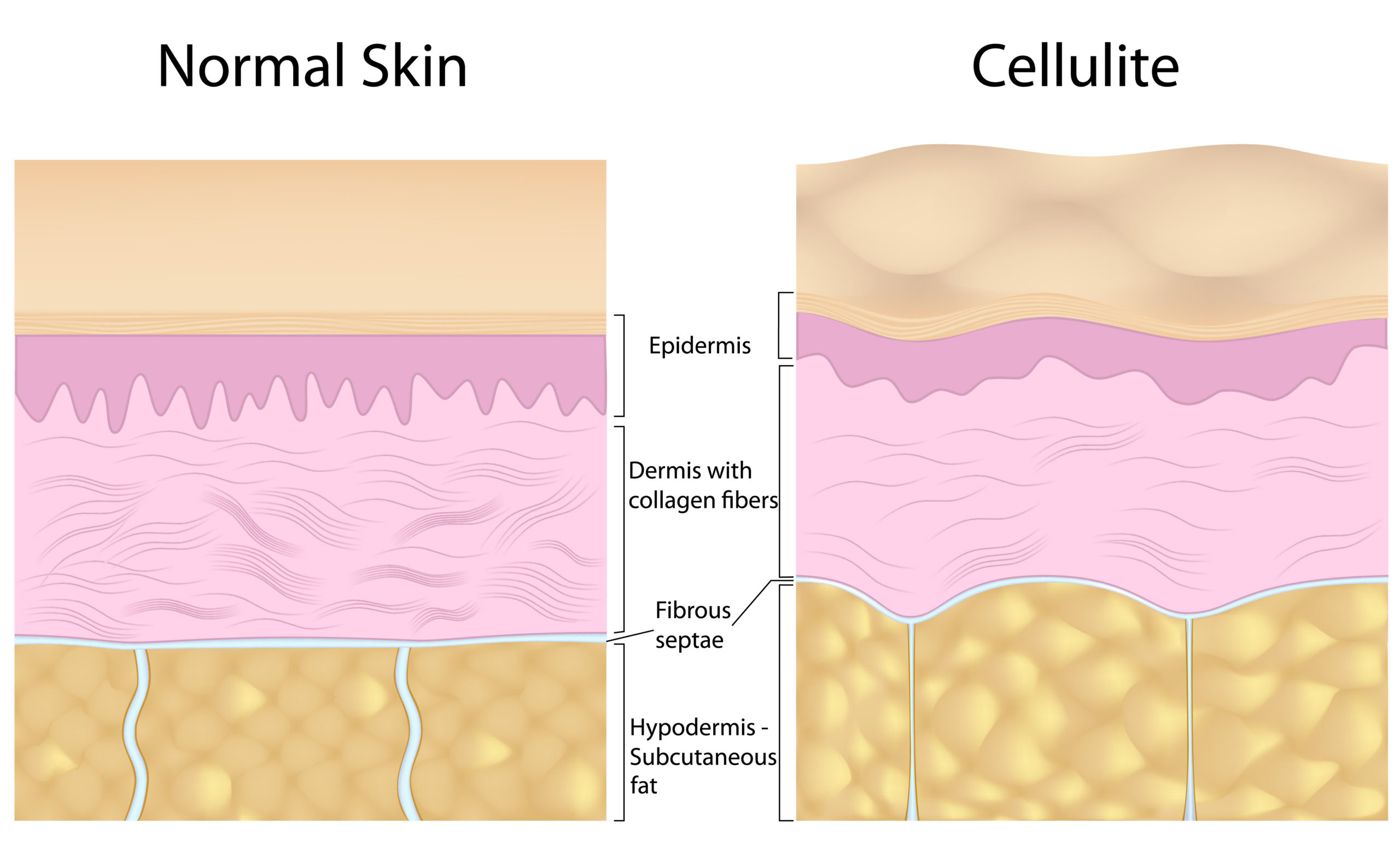
In any case, before starting a specific treatment, a careful evaluation must be carried out to establish the type of disorder, its evolutionary stage, its location and the factors that may have caused its onset or worsening.
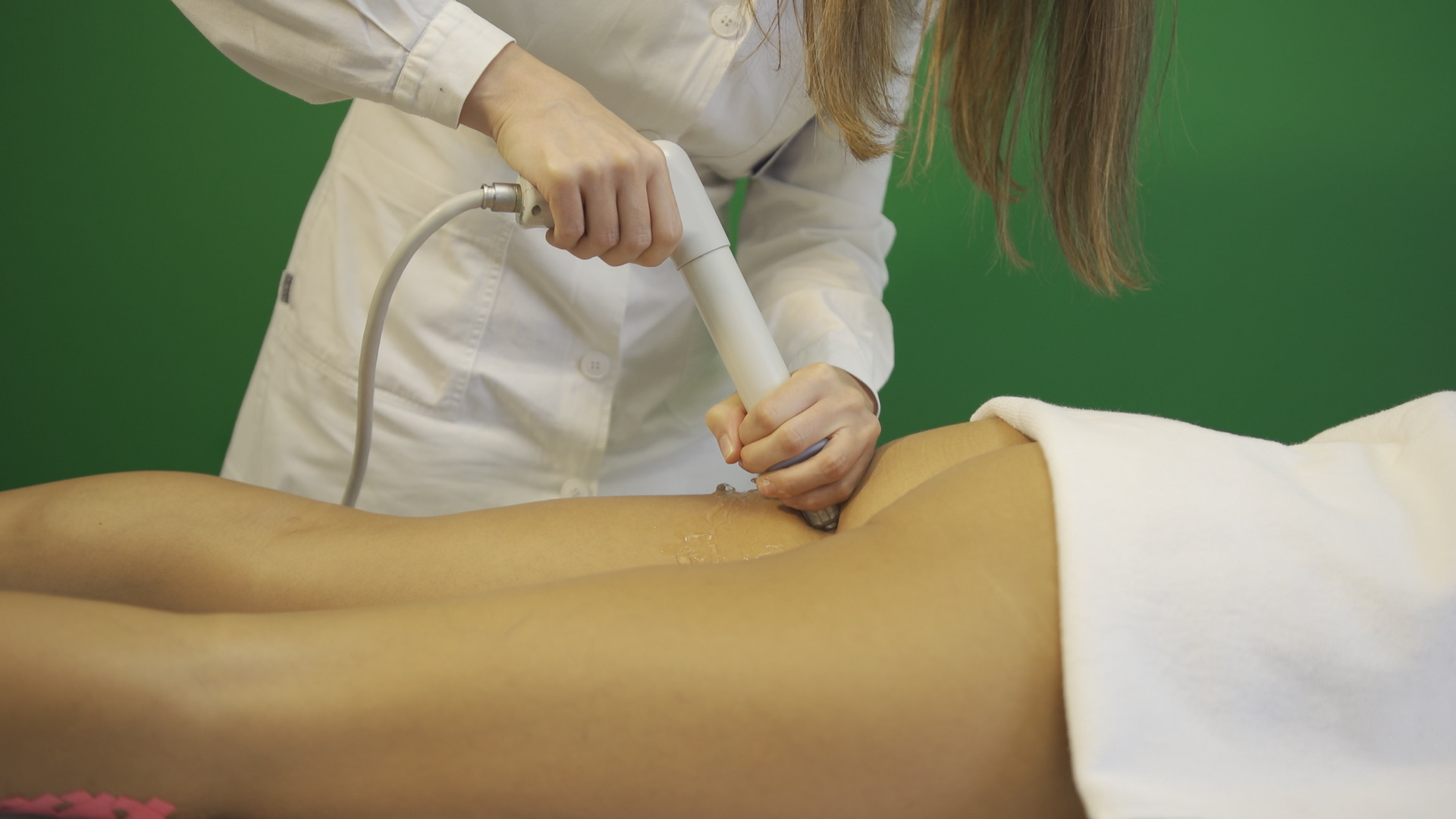
Cellulite treatment with shock waves
A therapeutic path for cellulite treatment involves an approach that takes into account both aesthetic aspects (use of electromedical devices such as shock waves and radiofrequency) and the individual's lifestyle and physical exercise.
Physical activity is a very important factor in reducing cellulite, and it is recommended that the subject perform frequent and personalized activity, including specific exercises.
A qualified physiotherapist and a movement scientist will be able to set up an appropriate treatment and physical activity plan.
At the same time, a balanced diet must be followed to normalize and balance the calories burned through physical activity and eliminate all those dietary vices that stimulate fat accumulation processes.
The nutritionist will be able to perform a specialist examination aimed at verifying the possible impact of other factors such as hormonal imbalances, slow metabolism, and any other factors.
Contact the Orice Outpatient Clinic! The therapeutic program for cellulite treatment is designed by highly specialized staff and performed safely with electromedical equipment, because the patient comes first!
